The Art of Cookie Storage
The Art of Cookie Storage
There is something special about opening a cookie tin and finding a favorite treat waiting inside.
But keeping cookies delicious isn't simply a matter of putting them away. Air, moisture, temperature, and even the type of container can influence how cookies taste and feel over time.
Some cookies lose their delicate texture when exposed to humidity. Others become firmer as moisture escapes. And storing different varieties together can sometimes change their original qualities.
The good news? Proper cookie storage doesn't have to be complicated.
Understanding a few simple principles can help you enjoy every cookie as intended.
Why Cookie Storage Matters
Freshly baked cookies contain a carefully balanced amount of moisture. That balance contributes to their texture, structure, and overall eating experience.
Once cookies are exposed to the surrounding environment, that balance can begin to change.
In a dry environment, cookies may gradually lose moisture. In humid conditions, certain varieties can absorb moisture from the air.
Neither change necessarily means a cookie has spoiled, but it can affect the qualities that make it enjoyable.
That's why storing cookies properly is about more than keeping them in one place. It's about protecting their original character.
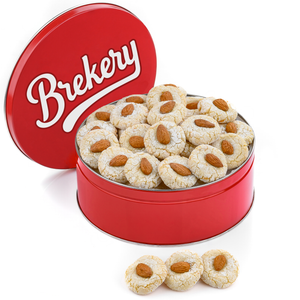
For handmade treats like Brekery Almond Cookies, thoughtful storage is a simple way to help preserve the texture and flavor that make each bite distinctive.
The Invisible Influence of Air and Moisture
Two of the biggest influences on cookie freshness are air and humidity.
When cookies sit uncovered, moisture can move between the cookies and their surroundings. The direction of that movement depends on the cookie's composition and the humidity of the room.
A cookie that starts with a delicate, firm exterior may soften in a humid environment. A softer cookie may gradually become firmer if it loses moisture.
Air exposure can also contribute to changes in flavor over time, particularly in foods containing fats that are susceptible to oxidation.
The simplest solution is to reduce unnecessary exposure to air.
A clean container with a well-fitting lid creates a more stable storage environment than an uncovered plate or an open package.
It won't stop every change indefinitely, but it can help slow the process.

Choosing the Right Cookie Container
Not all storage containers offer the same protection.
Glass jars, food-safe plastic containers, and metal tins can all be suitable choices, provided they are clean, dry, and close securely.
The most important features are practical:
- A well-fitting lid: Helps limit air exchange and exposure to humidity.
- A dry interior: Prevents unnecessary moisture from being introduced during storage.
- Food-safe materials: Keep cookies protected from unsuitable surfaces and unwanted odors.
- Convenient access: Makes it easy to take a cookie and close the container again.
Metal cookie tins have remained popular for good reason. They're durable, reusable, and convenient for storing and sharing baked treats.
A red Brekery tin, for example, can become part of an everyday routine: open it, enjoy an almond cookie, and close it again.
At Brekery, the idea of a reusable cookie tin reflects something simple: good packaging can remain useful long after the first serving.
Why Different Cookies Should Sometimes Be Stored Separately
Imagine placing a soft, moist cookie beside a delicate, drier cookie in the same sealed container.
Over time, moisture may move between them as the contents approach a shared humidity level.
The softer cookie could lose some moisture, while the drier cookie could absorb it.
Strong flavors and aromas can also transfer between foods stored together.
For this reason, separating cookies by texture and flavor is often a better approach than combining every variety in one container.
Chocolate cookies, spiced cookies, delicate almond cookies, and soft-filled treats may have different storage needs.
Keeping them separate helps each variety maintain its intended qualities.

Finding the Best Place to Store Cookies
The location of your cookie container matters just as much as the container itself.
For many shelf-stable cookies, a cool, dry cupboard or pantry away from direct sunlight is a practical choice.
Try to avoid places where temperatures fluctuate frequently, such as beside an oven, above a stove, or near a sunny window.
Heat can accelerate certain quality changes, while humidity can affect texture and encourage unwanted moisture buildup.
Should Cookies Be Refrigerated?
Not necessarily.
Many ordinary shelf-stable cookies are best kept in a properly closed container at room temperature, following any instructions provided by the baker or manufacturer.
Refrigeration can introduce condensation during temperature changes and may alter texture.
However, cookies containing perishable fillings or toppings, such as certain cream-based ingredients, may require refrigeration for food safety.
Always follow the storage instructions on the packaging. They take priority over general advice.
The Small Habits That Make a Difference
Good cookie storage is often about consistency rather than complicated techniques.
A few everyday habits can help:
- Close the container promptly after taking a cookie.
- Use clean, dry hands or utensils when handling cookies.
- Avoid leaving the container open while preparing other food.
- Keep the container away from steam and heat.
- Follow the product's labeled storage instructions and best-by guidance.
If you're storing homemade cookies, allow them to cool completely before sealing them. Trapped warmth can create condensation inside the container.
And remember that a best-by date generally concerns expected quality, while signs of spoilage, such as visible mold or an unusual odor, are reasons not to eat the cookies.
A container cannot make cookies last forever.
Its purpose is to help maintain their quality under suitable conditions.
Why a Cookie Tin Is More Than Packaging
There's also a practical pleasure in having a dedicated place for cookies.
A tin keeps treats organized, protects them from everyday handling, and makes it easy to offer something sweet when someone visits.
Unlike disposable packaging, a reusable metal tin can continue serving a purpose after the original cookies are gone.
It might hold another batch of baked treats or become a familiar part of the kitchen.
And when it's time for a little afternoon break, there's something satisfying about opening the lid and choosing a cookie.
The ritual is simple, but that's part of its appeal.

Freshness Is Worth Protecting
A good cookie is the result of thoughtful ingredients, careful preparation, and attention to texture.
How we store it afterward deserves a little attention, too.
The right container, a suitable location, and a few consistent habits can help preserve the qualities we enjoy.
Whether you're saving cookies for tomorrow, preparing treats for guests, or keeping a favorite tin ready for the week, proper storage makes everyday enjoyment easier.
And with Brekery Almond Cookies, that familiar red tin is a reminder that sometimes the simplest habits make the sweetest difference.
Because a cookie worth enjoying is also a cookie worth caring for.
Discover more about our handmade almond cookies and everyday moments at Brekery.com.