The Sweetest Part of Dinner
The Sweetest Part of Dinner
Dinner has a familiar rhythm. People gather around the table, share a meal, talk about their day, and eventually reach the moment when the plates are cleared.
Then comes something many of us look forward to: dessert.
It might be a slice of cake, a bowl of fruit, a scoop of ice cream, or a couple of almond cookies. Whatever the choice, dessert often feels different from the rest of the meal. It is less about satisfying hunger and more about enjoying a final moment before everyone leaves the table.
But the tradition of ending dinner with something sweet has a longer and more interesting history than we might expect.
From elaborate European banquets to everyday American dinners, the role of dessert has changed considerably. And the story reveals something fascinating about how we eat, entertain, and celebrate.

Dessert Wasn't Always the Final Course
Today, most Americans think of dessert as the last part of a meal. Historically, however, the order of dishes wasn't always so predictable.
In different periods and cultures, sweet and savory foods were served together or appeared at several points during a feast.
In medieval European dining, for example, wealthy households sometimes served dishes combining meat, fruit, spices, and sweet ingredients. The distinction between what belonged to dinner and what belonged to dessert was not as strict as it is in many modern meals.
Sugar was also expensive for much of European history. Sweetened foods could demonstrate wealth and hospitality, making them particularly important at elaborate gatherings.
As dining customs evolved, especially among European elites, meals became more structured. Different courses developed clearer roles, and sweet dishes increasingly occupied a recognizable place toward the end.
Dessert gradually became more than simply another type of food. It became an event within the meal.
How Dessert Became a Tradition
The word dessert comes from the French desservir, meaning to clear the table.
This origin offers a clue to how the tradition developed. Dessert was associated with what happened after the main dishes had been removed.
In European dining traditions, the final part of a meal could include fruit, nuts, sweetmeats, pastries, and other small delicacies.
Over time, improvements in sugar production, trade, baking equipment, and food preservation helped make sweet foods more accessible to a wider population.
Dessert was no longer reserved exclusively for wealthy households or special celebrations.
By the nineteenth and twentieth centuries, cakes, puddings, pies, cookies, and other sweets had become familiar features of many home kitchens.
Of course, dessert traditions continued to differ by region, culture, and household. Not every dinner ended with a sweet course, and not every culture followed the same dining sequence.
Still, the idea of a little something after the main meal became increasingly recognizable.
The American Dessert Table
American dessert traditions reflect a mixture of cultural influences, regional ingredients, and family customs.
Apple pie, chocolate cake, fruit cobbler, brownies, cookies, and ice cream all have places in American food culture.
Some desserts became closely associated with holidays and celebrations. Pumpkin pie appears on many Thanksgiving tables, while decorated cakes often mark birthdays and anniversaries.
Others became ordinary pleasures that require no special occasion.
Cookies are particularly interesting because they fit both worlds.
They can be baked for celebrations, shared with guests, packed for travel, or enjoyed as a simple finish to dinner.
Unlike a large cake or a carefully assembled pastry, a cookie usually requires little preparation at serving time.
That convenience helps explain why cookies remain such a practical choice for informal entertaining.
A plate of Brekery Almond Cookies, for example, can be placed on the table without cutting, decorating, or arranging individual portions.
Sometimes simplicity is exactly what a relaxed evening needs.
Why We Still Want Something Sweet
There is more to dessert than tradition.
Our enjoyment of sweetness has biological foundations. Humans are naturally responsive to sweet tastes, although individual preferences vary considerably.
But biology alone does not explain why dessert feels like a distinct experience.
Expectations, habits, memories, and social settings also influence how we respond to food.
After a savory dinner, a different flavor can provide variety. A small sweet treat may feel appealing even when someone no longer wants another serving of the main course.
Researchers have studied this phenomenon through concepts such as sensory-specific satiety, in which the appeal of a food can decline as we eat it while a different food remains attractive.
That doesn't mean everyone always has room for dessert. Appetite is influenced by many factors, and there is no universal rule that sweetness overrides fullness.
Still, the contrast between savory food and a sweet ending helps explain why dessert has remained so appealing.

Dessert Changes the Pace of Dinner
One of the most interesting things about dessert is what happens around it.
The main meal may involve serving dishes, passing food, refilling glasses, and making sure everyone has enough.
Dessert often arrives when those responsibilities are nearly finished.
People may relax, move into a different conversation, or linger at the table a little longer.
In some households, dessert is served immediately after dinner. In others, it appears later with coffee or tea.
Neither approach is necessarily better.
What matters is that dessert can create a natural transition between the meal itself and the rest of the evening.
At Brekery, we appreciate the appeal of uncomplicated food moments. A dessert doesn't have to be elaborate to feel thoughtfully chosen.
Sometimes a few cookies and an unhurried conversation are enough.
The Rise of Smaller Desserts
Not every dinner needs a towering cake or an elaborate plated creation.
For casual gatherings, smaller desserts can offer practical advantages.
They are easy to serve, require fewer utensils, and allow guests to decide whether they want a little or a lot.
A selection of small treats can also provide variety without requiring the host to prepare several complicated recipes.
Consider a simple dessert arrangement with fresh fruit, a few pieces of chocolate, and almond cookies served separately.
Guests can choose what appeals to them without committing to a large portion.
Smaller desserts also suit occasions when dinner itself has been substantial.
The goal isn't to make dessert less enjoyable. It is to make the experience fit the meal.
A Good Dessert Doesn't Need a Complicated Recipe
When planning dinner for guests, it's easy to focus on creating an impressive ending.
But a successful dessert doesn't necessarily depend on culinary complexity.
Freshness, flavor, presentation, and convenience often matter more than the number of ingredients or preparation steps.
A simple dessert can feel special when it has been chosen with care.
For example, almond cookies bring a distinctive combination of almond flavor and citrus aroma to the table.
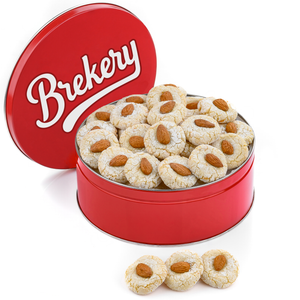
Brekery Almond Cookies are handmade in New York using almond flour, almonds, egg white, cane sugar, and orange zest.
Their straightforward ingredient list makes them an easy choice for anyone who appreciates a dessert with recognizable ingredients.
They can be served on their own or alongside a separate selection of fruit and other accompaniments.
And because they're packaged in a reusable red tin, Brekery Almond Cookies are convenient to keep ready for occasions when dessert wasn't part of the original plan.
The Best Part Isn't Always the Food
Think about the dinners you remember most.
The dessert might have been wonderful, but chances are the people, conversations, and atmosphere mattered just as much.
Sometimes the final course becomes memorable because someone tells a funny story. Sometimes guests stay longer than expected. Sometimes a simple plate of cookies becomes the last thing everyone shares before saying goodbye.
Dessert doesn't have to compete with the rest of dinner.
Its purpose can be much simpler: to provide an enjoyable conclusion.
And perhaps that is why the tradition has lasted through so many changes in cooking, entertaining, and everyday life.
The dishes may change, but the pleasure of ending a meal on a sweet note remains familiar.

A Sweet Ending Worth Sharing
The history of dessert shows how a once more formal part of dining became an everyday pleasure in many households.
Today, the sweetest part of dinner can be as elaborate or as simple as we choose.
It might involve a homemade pie, a favorite family recipe, or a few almond cookies shared after the plates have been cleared.
What makes dessert special isn't always the amount of effort involved.
Sometimes it's the opportunity to enjoy one last delicious moment together.
Make your next sweet ending a little more special with Brekery Almond Cookies, handmade in New York and packaged in a reusable red tin.
Discover more about handmade almond cookies and simple everyday treats at Brekery.